
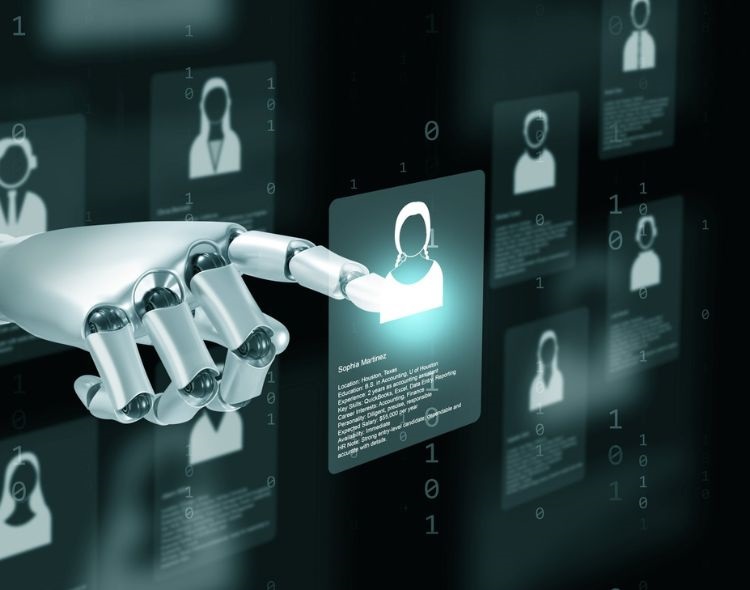


Employers are increasingly looking to artificial intelligence (AI) to enhance their talent acquisition and management capabilities. While these tools can save money and more efficiently identify qualified candidates, they can also perpetuate hiring bias.
For example, Amazon previously scrapped its AI-driven recruitment tool after discovering that it penalized resumes containing the word “women”—as in “women’s track team” or “women’s college.” Other AI models have been found to, among other things, penalize job candidates with gaps in employment, which unfairly disadvantaged parents and/or people with disabilities. Simply stated, if left unsupervised, AI can wrongly perpetuate hiring bias.
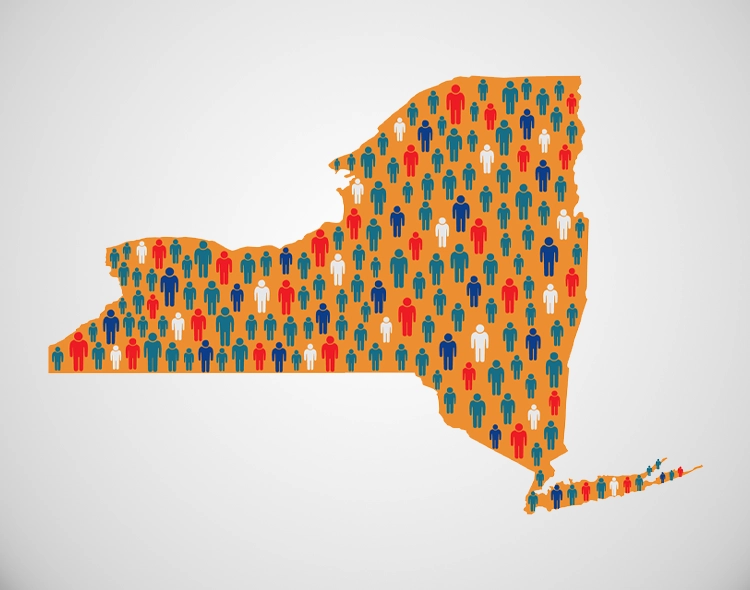
Some states and municipalities have responded to this risk with legislation and regulation meant to safeguard against discriminatory practices. For example:
In addition, the alleged improper use of AI-driven recruitment tools has been the subject of litigation. One of the most closely watched cases is Mobley v WorkDay, which is currently pending in the Northern District of California. In Mobley, the plaintiffs accused Workday (an HR, finance and IT software platform) of using AI algorithms to screen job applicants in a discriminatory way in violation of Title VII, 42 U.S.C. § 1981, the Age Discrimination in Employment Act (ADEA), the Americans with Disabilities Act (ADA), and California’s Fair Employment and Housing Act (FEHA). The plaintiffs claimed that Workday’s AI tools rely on biased training data, leading to hiring decisions that discriminate against individuals based on race, age and disability. The Court has allowed the plaintiffs to advance their class action claims.
A key takeaway from the case is that, even if an AI tool is not trained to use protected characteristics, such as race, age, sex or disability, plaintiffs may still have a claim against an employer if variables correlated with those protected characteristics are used to train the tool. For example, the year of graduation and the length of work experience can disclose the applicant’s age, and interruptions in employment may suggest the applicant’s disability or health conditions. This requires employers to have an understanding of how the AI tools that they are utilizing work, what variables are used to train the tool, and the correlations between seemingly benign variables and protected characteristics.
Given these developments, employers utilizing AI tools for hiring decisions should stay abreast of related legislative developments and litigation. Further, in order to mitigate risk, employers are well advised to consult with their employment attorneys before utilizing AI tools.
Kevin J. Mulvehill, Partner and Leader of Phillips Lytle’s Labor and Employment Practice Team, can be reached at (585) 238-2095 or kmulvehill@phillipslytle.com.
Yuhui (Michaela) Lin, attorney and member of Phillips Lytle’s Labor and Employment Practice Team, can be reached at (585) 238-2054 or ylin@phillipslytle.com.



Receive firm communications, legal news and industry alerts delivered to your inbox.
Subscribe Now