


On May 14, 2026, the U.S. Department of Labor (“DOL”) announced that it is rescinding a regulation issued during former President Joe Biden’s administration, restoring earlier and significantly lower salary thresholds for overtime exemptions under the Fair Labor Standards Act (“FLSA”). A technical amendment to the “Defining and Delimiting the Exemptions for Executive, Administrative, Professional, Outside Sales, and Computer Employees” regulation removes invalidated language and restores the 2019 standards. The amendment is effective May 15, 2026.
The Biden-era rule would have raised the minimum salary required for exempt executive, administrative, and professional employees from $684.00 to $844.00 per week in 2024, with a further increase to $1,128.00 per week in 2025, and automatic updates every three years. It also would have raised the highly compensated employee threshold from $107,432.00 to as high as $151,164.00 — meaning that even employees earning $150,000+ per year could have been eligible for overtime pay.
However, in late 2024, federal courts in Texas struck down the Biden-era rule, finding that the DOL exceeded its authority by placing too much emphasis on salary level rather than job duties. In early May 2026, the DOL dropped its appeals of these rulings, and the Fifth Circuit dismissed the cases, leaving the lower court rulings in place. In addition, the DOL has ended its defense of the Biden-era rule in related litigation.
The technical amendment cites the Texas court rulings and Fifth Circuit decision as justification for reverting the regulation to the 2019 standards. As a practical matter, the federal overtime exemption threshold is now:
The DOL is not accepting public comment because it is merely conforming the regulation to reflect the recent court decisions.
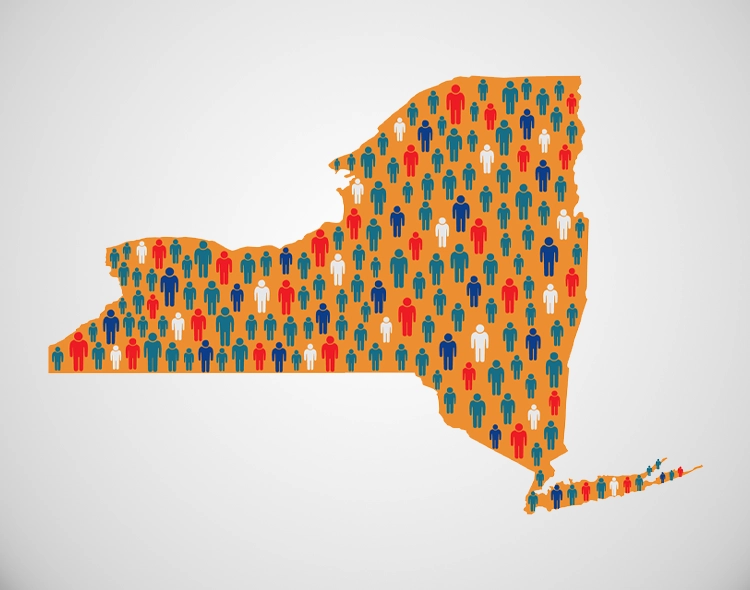
Employers should assess their wage-and-hour policies and, if necessary, communicate this new rule change to their employees. Employers should also continue to follow all applicable state and local laws, paying close attention to those states that provide higher thresholds, such as New York, to ensure they are in compliance with all relevant standards.
Additional Assistance
For further assistance, please contact any of the attorneys on our Labor and Employment Practice Team or the Phillips Lytle attorney with whom you have a relationship.



Receive firm communications, legal news and industry alerts delivered to your inbox.
Subscribe Now