



In the world of commercial real estate lending, laws and regulations are changing constantly. It can be difficult to parse through all that information to figure out whether a court decision or new regulation will have any real-world impact on projects.
There have been two recent developments in New York State that will most definitely have a significant impact.
Starting January 1, 2026, NYS will require that most newly constructed buildings be fully powered by electricity, a result of the implementation of the All-Electric Buildings Act. Under the act, building equipment and systems using fossil fuels such as natural gas, heating oil and propane will be prohibited in many new structures.
These new regulations apply to most new buildings seven stories or less (including homes), unless a building permit application was filed before December 31, 2025. The buildings subject to the new rules must use only electric heat and appliances.
Certain buildings are exempt, including commercial or industrial buildings with more than 100,000 square feet, as well as restaurants, hospitals, doctors’ offces, agricultural buildings and factories; however, starting January 1, 2029, these restrictions will apply to all new construction regardless of size and height. Existing buildings will not be subject to the new requirements, and backup and standby power systems like emergency generators may continue to use fossil fuels.
What does this mean for lenders? Depending on when your borrower files an application for a building permit, they may be required to go all-electric in new buildings, which will not only add cost to your analysis but will also require confirmation that sufficient power is available to service the project before closing on financing.
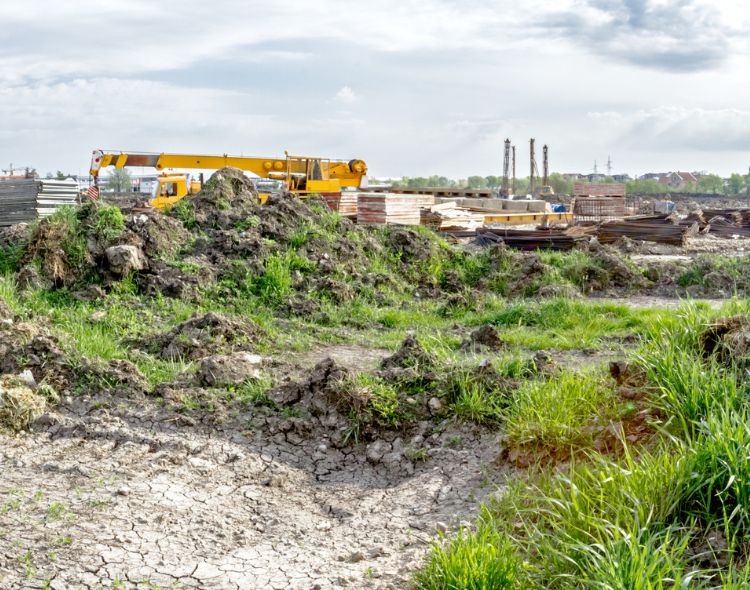
In the past, the New York State Department of Environmental Conservation (NYSDEC) did not regulate wetlands on properties under 12.4 acres of land, but that has now changed. In December 2024, NYSDEC adopted regulations that significantly expanded its authority. In addition to its regulatory authority over all freshwater wetlands at least 12.4 acres in size (which will reduce to 7.4 acres in 2028), NYSDEC will now have authority over wetlands of any size that are deemed “wetlands of unusual importance.”
NYSDEC promulgated 11 different criteria to identify “wetlands of unusual importance,” including wetlands located in, or partially within, an urban area as defined by the United States Census Bureau. Census-defined urban areas are expansive and, particularly in western, central and upstate New York, can include areas that outwardly appear suburban or even rural. The urban area criteria could also bring under NYSDEC jurisdiction small “accidental wetlands” that materialize on undeveloped parcels due to poor stormwater management.
What does this mean for lenders? It is much more likely that your borrower will need to interact with NYSDEC on wetlands review. Past wetland due diligence on a state level was a fairly simple exercise — analyzing published NYSDEC maps delineating wetlands to determine whether any existed on your property. Now, because of the recent changes in NYSDEC regulations, the only way to definitively determine whether there are state-regulated wetlands on a property is to work through the NYSDEC identification process (likely with the assistance of a third-party wetland consultant). As such, a task that used to be a rather perfunctory line item on a closing checklist may prove to be a much higher barrier in the future.
Both changes — the new wetlands regulations and the all-electric transition — present new and unique challenges to developers and their lenders. It is imperative that all parties follow proper due diligence to ensure each project adheres to these guidelines, so development timelines and business goals aren’t interrupted, and that lender interests are properly protected.
Joseph P. Heins, Special Counsel and member of Phillips Lytle’s Real Estate Industry Team, provides counsel to landlords and tenants alike to service their real estate portfolios, including in the areas of leasing, sales, acquisitions, financing, public-private partnerships, project development and title matters. He can be reached at (716) 847-7004 or jheins@phillipslytle.com.
Matthew J. Fitzgerald, Senior Associate and member of Phillips Lytle’s Real Estate Industry Team, focuses his practice on a wide array of matters that affect developers, landlords and tenants. He can be reached at (716) 847-5402 or mfitzgerald@phillipslytle.com.
Receive firm communications, legal news and industry alerts delivered to your inbox.
Subscribe Now