

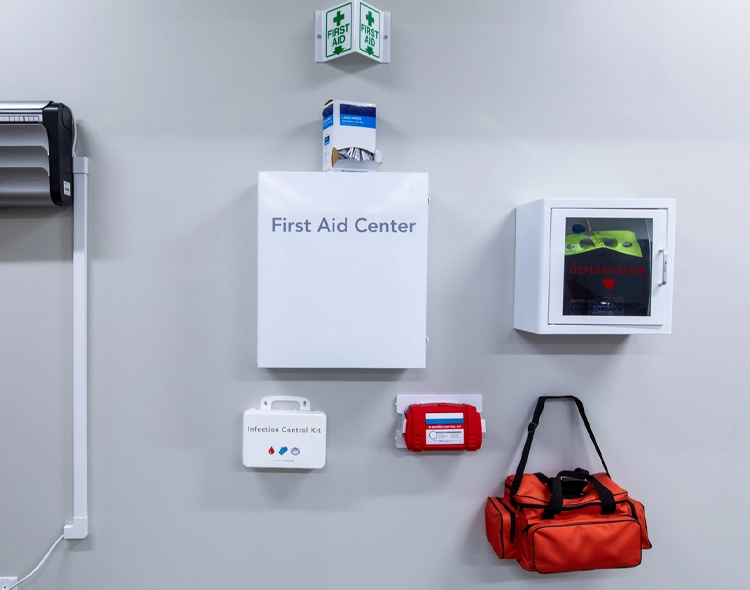

On December 12, 2025, New York expanded its workplace first aid requirements through Senate Bill S5922-A/A2725-A. The law now requires certain employers to include opioid antagonists—such as naloxone (Narcan)—as part of their workplace emergency preparedness efforts. Follow-up amendments signed on February 13, 2026, (A9453/S8770) provide important clarifications that employers and HR teams should know.
Under the updated law, private employers covered by the Occupational Safety and Health Act of 1970 and required to maintain first aid supplies must also ensure opioid antagonists are available for emergency use in the workplace.
However, the amendments offer practical flexibility. Employers are not required to place opioid antagonists in every individual first aid kit. Instead, they must ensure these medications are readily accessible where first aid is administered.
The law also directs the New York State Department of Labor to issue detailed regulations, which will address:
Employers should begin evaluating current first-aid protocols, identifying where opioid antagonists will be stored, and planning for potential training programs once regulations are released.
Employers have some time to prepare. The effective date has been extended to December 12, 2026, giving organizations a one-year window from enactment to achieve compliance.
This law represents a meaningful shift in workplace health and safety expectations, making HR’s role in policy updates, training and compliance more critical than ever.
Additional Assistance
Our Labor and Employment attorneys remain ready to provide advice and guidance on complying with these new laws or any other workplace issues. For further assistance, please contact any of the attorneys on our Labor and Employment Practice Team or the Phillips Lytle attorney with whom you have a relationship.


Receive firm communications, legal news and industry alerts delivered to your inbox.
Subscribe Now