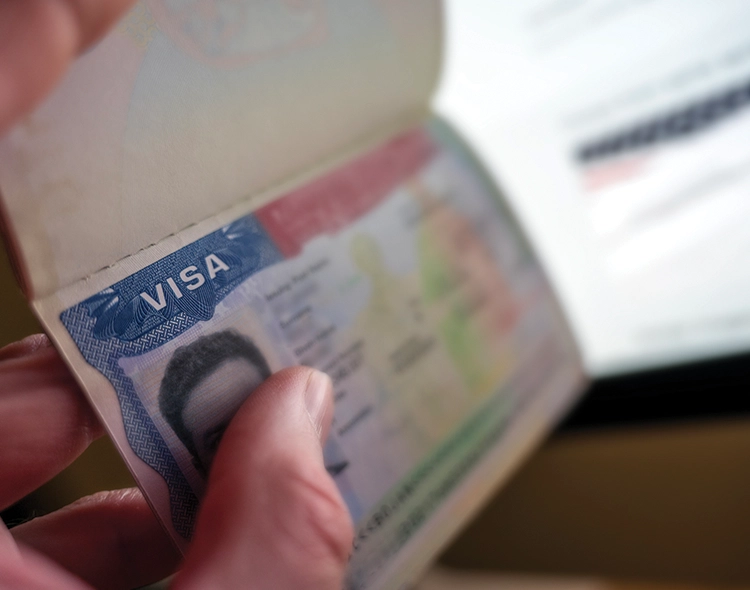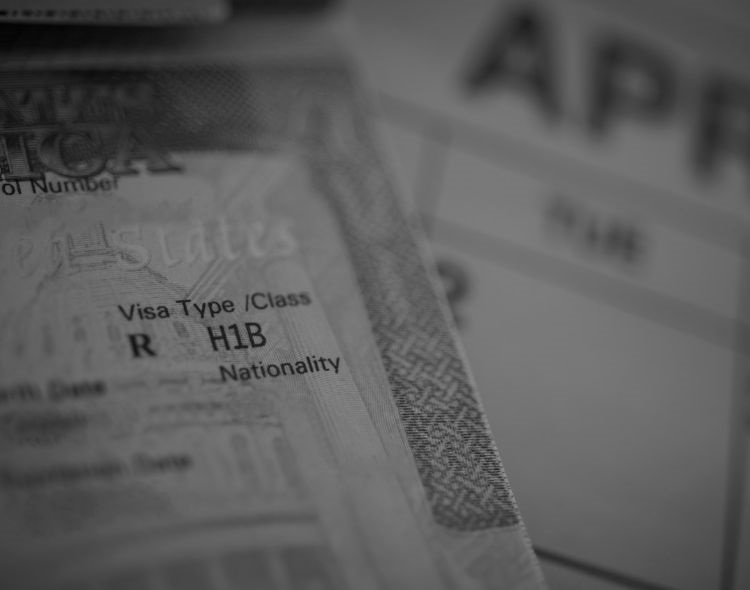


On September 18, 2026, the U.S. Department of State (DOS) released a policy update once again broadening its review of visa applicants’ online presence to additional nonimmigrant categories. Notably, this update now includes TN and TD visa applicants. This is the fourth expansion of prior DOS policies implementing enhanced screening procedures of nonimmigrant visa applicants, which were implemented on June 18, 2025, December 15, 2025, and March 30, 2026. The full list of affected nonimmigrant categories now includes the following:
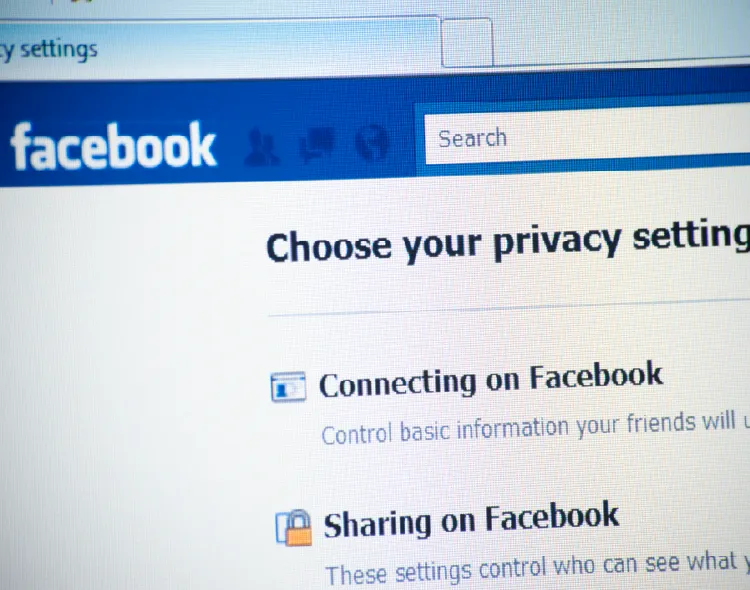
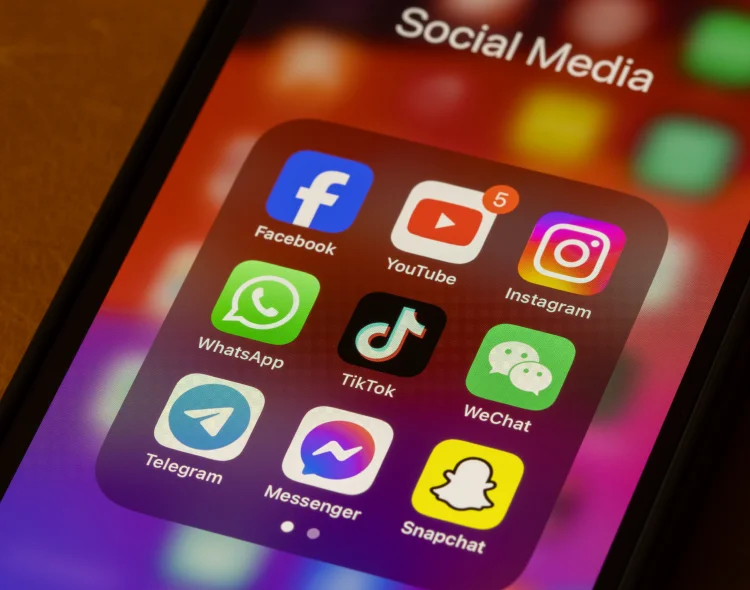
In accordance with previous policies, the DOS requires individuals applying for visas in any of the aforementioned categories to set their social media accounts’ privacy settings to “public” during the visa application process. According to a previous DOS cable published in June 2025, the purpose of the DOS’s enhanced vetting procedures is to assess whether foreign nationals pose a threat to U.S. national security, interests and safety, as well as to vet foreign nationals for antisemitic harassment and violence.
It should be noted that not all applicants for TN and TD status will be affected by the most recent iteration of the DOS’s enhanced vetting policy. While TN and TD status is available to Canadian and Mexican citizens as part of the U.S.-Mexico-Canada Agreement, the DOS’s policy only extends to visa applications. Canadian citizens are visa exempt, meaning that the policy will only apply to Mexican citizens seeking TN and TD visas at a U.S. embassy or consulate in Mexico. There is currently no indication that U.S. Customs and Border Protection or U.S. Citizenship and Immigration Services have implemented similar policies for Canadian citizens applying for TN or TD status at a port of entry or through USCIS.
TN and TD visa applicants must now ensure that they truthfully disclose all social media accounts used within the previous five years on Form DS-160 prior to attending a visa interview. As the enhanced vetting procedure allows DOS officials to assess inconsistencies in visa applicants’ Form DS-160 responses, failure to disclose certain accounts or limit account visibility may be viewed as an effort to conceal certain unfavorable information. As of September 18, 2026, the DOS still has not issued guidance as to how long the affected visa applicants must set their social media profiles to “public”. The consensus, per information gathered from the DOS’s June 2025 cable, remains that accounts must be set to “public” at least in advance of an applicant’s visa interview and until the visa is issued. Applicants who fail to follow these rules will risk either lengthy delays in visa adjudication to enable further vetting or visa application denials.
Additional Assistance
For more information, please contact a member of our Immigration Practice Team or the Phillips Lytle attorney with whom you have a relationship.
Receive firm communications, legal news and industry alerts delivered to your inbox.
Subscribe Now