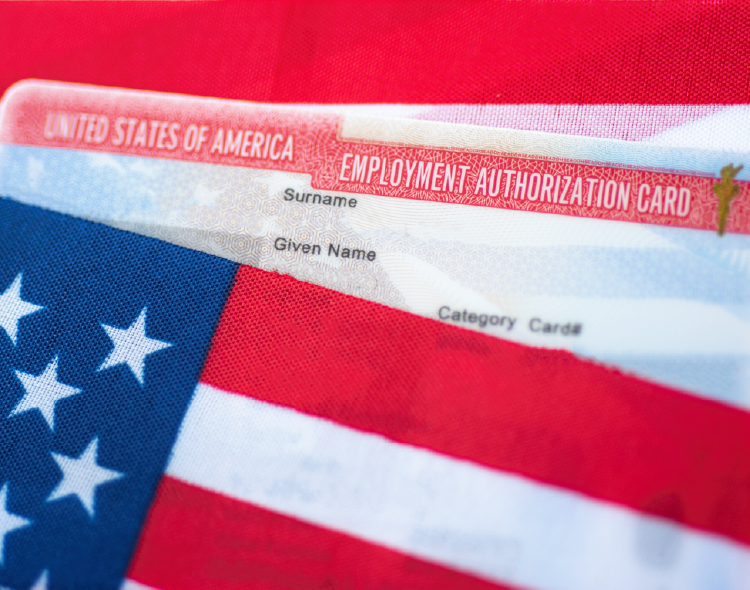


In our May 23, 2026, client alert, “New USCIS Policy Memorandum Characterizes Adjustment of Status as an “Extraordinary Relief” Authorized as a Matter of Administrative Grace,” we discussed the new USCIS Policy Memorandum characterizing adjustment of status as an extraordinary form of relief that may be granted only as a matter of administrative grace.1 As reported by The New York Times on May 29, 2026, the Department of Homeland Security (DHS) has since sought to clarify its position, asserting that there has been no major change in policy and that most applicants for permanent residency will not—as a categorical matter—be required to leave the U.S. while their adjustment of status cases are pending.2
Although the policy’s formal description is broad enough to cause public concern, there is a meaningful distinction between that rhetoric and how the policy appears to be applied in practice. The New York Times reports that White House and DHS officials described the original announcement as a “housekeeping matter” intended to reaffirm immigration officers’ case-by-case discretionary authority, rather than to impose a categorical bar on adjustment of status. Notwithstanding that clarification, DHS declined to offer clear guidance regarding which applicants may be affected, while indicating that those most likely to face heightened scrutiny include visa overstays, nationals of countries perceived as heavy users of public assistance, and immigrants applying through family sponsorship. The article further raises unresolved questions as to whether individuals from the scores of countries for which immigrant visa processing has been paused may be required to depart the U.S. to apply for green cards abroad, and what circumstances would qualify an applicant for an exemption based on importance to the national interest.3
While DHS has emphasized that adjustment of status remains available on a case-by-case basis, the practical stakes of being directed toward consular processing remain significant for certain categories of applicants—particularly those identified above—and continue to underscore the concerns raised in our prior alert. As The New York Times reports, applicants who have significantly overstayed a visa and are required to depart may be barred from returning to the U.S. Additionally, consular officers have broader discretion to reject applications: their decision generally cannot be appealed, and applicants typically cannot have a lawyer present during the interview. For employer-sponsored applicants on H-1B and other nonimmigrant visas who have been awaiting green cards for extended periods, departure and consular processing could compound already lengthy wait times at consulates that remain understaffed following significant workforce reductions at the Department of State in 2025.4
However, DHS’s subsequent clarification reinforces, rather than alters, the core message and practical guidance set forth in our prior alert. While the memorandum’s language is undeniably broad, current reporting suggests that it is not being implemented as a categorical bar to adjustment of status in the ordinary course. Instead, applicants should expect a more pronounced exercise of discretionary review. As such, adjustment of status petitions should be prepared with a heightened focus on demonstrating evidence that merits positive discretion and addressing any adverse factors. Employers and individuals should continue to evaluate, on a case-by-case basis, whether adjustment of status or consular processing presents the most appropriate path forward, particularly for applicants with prior status violations or other complicating factors.
Phillips Lytle Summer Associate Pilar Julia Pascual contributed significantly to the research and drafting of this client alert.
Additional Assistance
For more information, please contact a member of our Immigration Practice Team or the Phillips Lytle attorney with whom you have a relationship.
Receive firm communications, legal news and industry alerts delivered to your inbox.
Subscribe Now