

Effective March 30, 2026, the U.S. Department of State (DOS) will implement enhanced screening procedures to review the online presence of 14 additional categories of nonimmigrant visa applicants. This is an expansion of prior DOS policies, implemented on June 18, 2025, and December 15, 2025, which expanded the online presence of F, M, J, H-1B and H-4 dependent visa applicants.
In addition to the F, M, J, H-1B and H-4 visa categories, the newly expanded screening and vetting procedure will affect applicants of the following nonimmigrant visa categories:
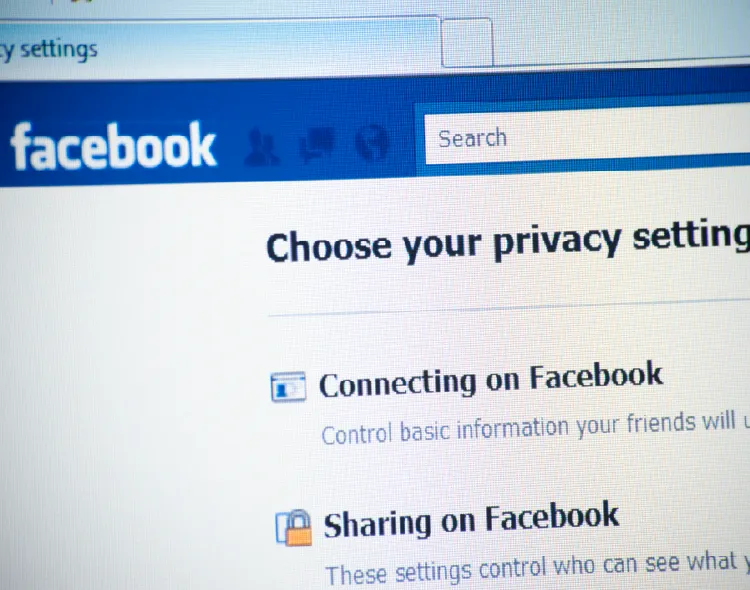
Visa applicants falling into any of these categories must adjust the privacy settings on all social media accounts to “public” during the visa application process. As with previous iterations of this policy, the overall purpose, per a DOS cable published on June 18, 2025, is to ensure that foreign nationals “do not bear hostile attitudes toward the citizens, culture, government, institutions, or founding principles of the United States, and that they do not advocate for, aid, or support designated foreign terrorists and other threats.” The policy also aims to vet foreign nationals for antisemitic harassment and violence.
As with previous guidance, all affected nonimmigrant visa applicants must truthfully disclose all social media accounts used within the previous five years on Form DS-160 prior to attending a visa interview. Failure to disclose the platform used and the user’s social media handle on Form DS-160, even if the account is no longer active, may result in visa denial, as consular officials are now tasked with assessing inconsistencies in applicants’ responses. Additionally, despite two previous iterations of this policy, no official guidance has been released as to how long the affected visa applicants must set their social media profiles to “public”. The consensus, per information gathered from the June 2025 DOS cable, remains that accounts must be set to “public” at least in advance of an applicant’s visa interview and until the visa is issued. Efforts to limit account visibility may be viewed as an effort to conceal certain unfavorable information from consular officers.
Applicants who fail to follow these rules will risk lengthy delays in visa adjudication and will be reminded at their interviews to change their account settings to enable further vetting.
Additional Assistance
For more information, please contact a member of our Immigration Practice Team or the Phillips Lytle attorney with whom you have a relationship.
Receive firm communications, legal news and industry alerts delivered to your inbox.
Subscribe Now