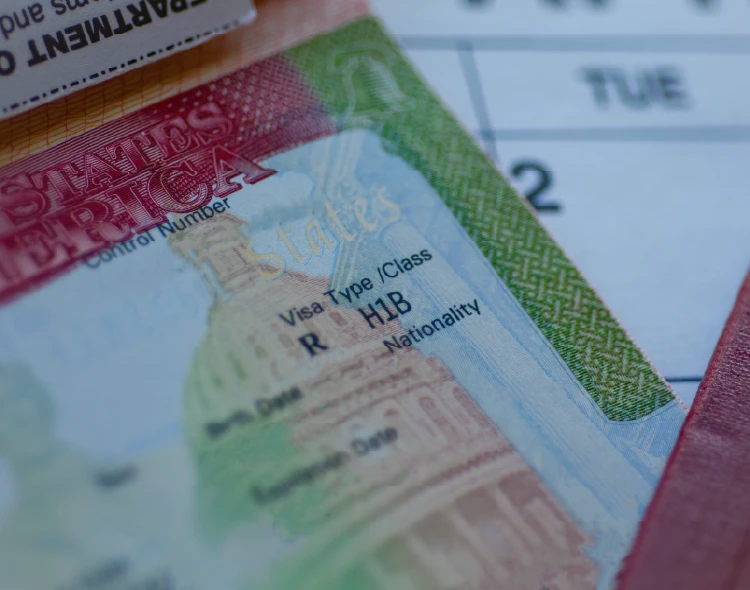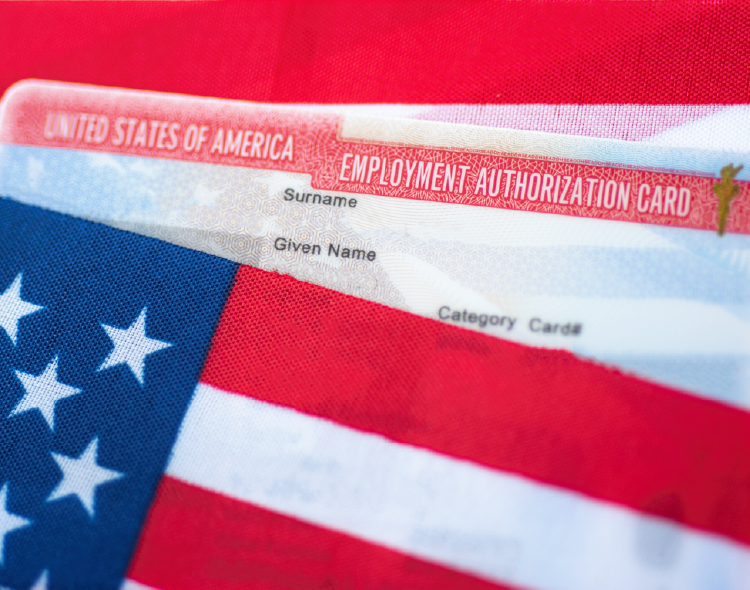



On January 16, 2026, United States Citizenship & Immigration Services (USCIS) published an Interim Final Rule that changes the requirements for R-1 nonimmigration religious workers. The new rule, which took effect upon publication, removes the requirement that nonimmigrant religious workers must spend a year abroad before becoming eligible for a fresh five-year period of R-1 status.
Prior to publication of the Rule, R-1 religious workers were eligible for an initial 30-month admission and were eligible for an extension of stay for an additional 30-month period. After remaining in the U.S. in R-1 status for five years, religious workers would then have to leave the U.S. if they did not have another basis for remaining in the country; remain abroad for at least 365 days; and then be admitted for an additional period of up to five years, in increments of up to 30 months.
The new Rule removes the requirement to remain abroad for a full year before qualifying for a fresh five-year admission period, essentially permitting religious workers to maintain R-1 status indefinitely, provided they leave the U.S. after five years, obtain a new visa if required, and then reenter the country.
While this Rule provides much-needed relief, it will not help nationals of the 17 countries whose citizens remain subject to a full travel ban to the U.S., as they will not be able to return to the U.S. after they travel abroad.
USCIS published the Interim Final Rule in large part to ameliorate delays caused by the backlog of the employment-based, fourth preference (EB-4) visa category, which applies to immigrant religious workers as well as several other groups, including Special Immigrant Juveniles. R-1 nonimmigrant religious workers often apply for permanent residency through the EB-4 process by filing an I-360 immigrant petition followed by an I-485 application for adjustment of status, once a visa number becomes available.
Historically, the EB-4 visa category has remained relatively current. However, the U.S. Department of State published a Notice in the Federal Register on March 28, 2023, changing the manner in which visa numbers are allocated in the EB-4 category. Under the 2023 Notice, EB-4 visa numbers are no longer counted on a per-country basis but are allocated without regard to nationality. As there are a large number of youths from El Salvador, Guatemala and Honduras who qualify for EB-4 classification as Special Immigrant Juveniles, a backlog emerged in 2016 for nationals of these countries in the EB-4 category. At that time, nationals of those three countries were subject to longer wait times than other EB-4 applicants, as immigrant visas remained subject to per country limits. When the Department of State published the 2023 Notice in the Federal Register, removing the per-country limits for the EB-4 category, it had the effect of slightly shortening the EB-4 wait time for nationals of El Salvador, Guatemala and Honduras, while drastically lengthening the wait time for everyone else. The wait time now well exceeds five years, meaning that religious workers in R-1 status cannot remain in the U.S. in R-1 status for long enough to wait for an EB-4 visa number to become available. The January 16 Interim Final Rule seeks to ameliorate that wait time by permitting religious workers who have completed their five years of R-1 time to nevertheless return to the United States for a fresh five-year period, without first waiting abroad for a year.
Additional Assistance
For more information, please contact a member of our Immigration Practice Team or the Phillips Lytle attorney with whom you have a relationship.
Receive firm communications, legal news and industry alerts delivered to your inbox.
Subscribe Now