
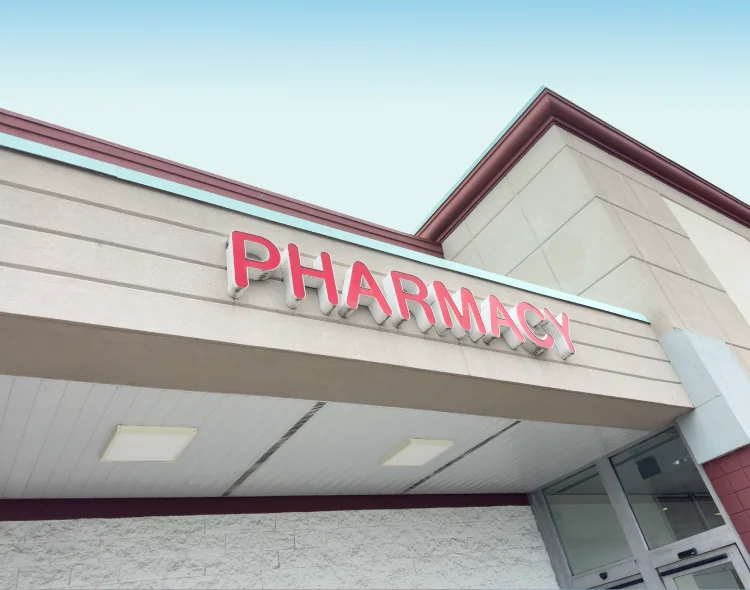

Few retail properties are more recognizable than the corner pharmacy. For decades, chains such as Rite Aid, Walgreens and CVS competed aggressively for high-visibility intersections, building freestanding stores at some of the most prominent locations in their respective markets. Today, however, those same properties are increasingly becoming symbols of a changing retail landscape.
Nationally, pharmacy chains are shrinking their footprints at a remarkable pace. Walgreens has announced plans to close hundreds of stores, CVS has been consolidating locations for several years, and Rite Aid’s bankruptcy and related closures have left a significant inventory of vacant properties across the country, including Western New York.
The good news is that many former pharmacy locations possess characteristics that remain highly desirable. They are typically situated at prominent, signalized intersections, feature multiple points of ingress and egress, offer ample parking and many include drive-through facilities.
So, what happens now? As the WNY market begins to absorb these vacant spaces, it is instructive to examine what has happened with similar sites across the country, where two redevelopment trends are emerging.
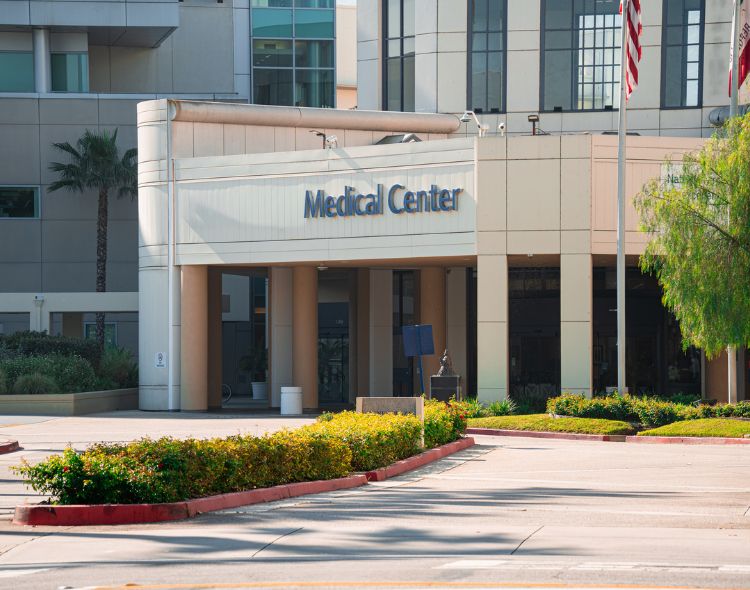
The first is straightforward re-tenanting. Former pharmacies are attracting a surprisingly broad range of users, including urgent care providers, veterinary clinics, discount retailers, specialty grocers and other service-oriented businesses. The existing buildings are generally functional and flexible, allowing new tenants to occupy the space with relatively limited modifications.
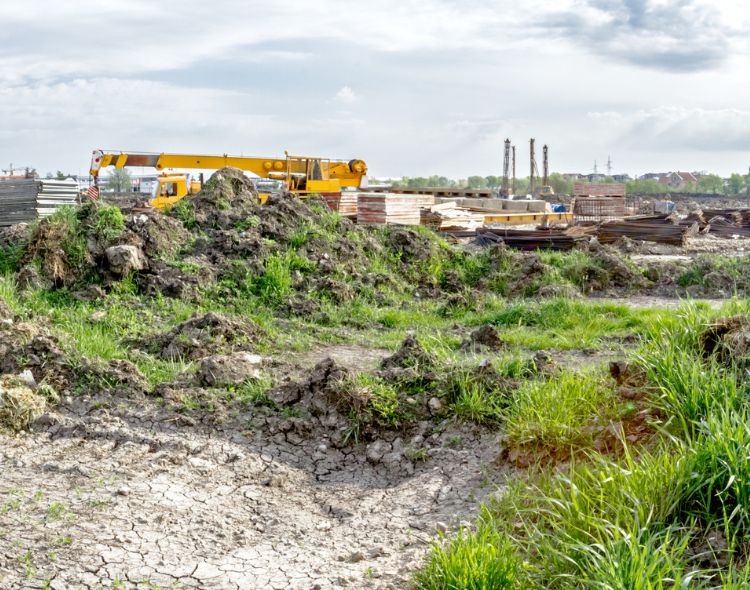
The second trend is more transformational. In higher-demand locations, developers are choosing to demolish existing structures and redevelop the sites entirely. Former pharmacy properties are being repositioned for quick-service restaurants, mixed-use developments, multifamily housing, medical office projects and other higher-density uses that better reflect current market demand.
Some locations will be quickly absorbed by expanding health care providers and other service users, especially given the continued migration of health care services into neighborhood-based outpatient facilities and retail corridors. Other sites, especially those occupying premier suburban intersections, may ultimately prove more valuable as redevelopment opportunities than as second-generation retail assets.
Owners and developers should not underestimate the legal complexities that often accompany these projects. Former pharmacy sites are frequently burdened by reciprocal easement agreements, restrictive covenants and development agreements that were negotiated decades ago but remain in effect. In addition, existing zoning approvals may not accommodate new uses, and redevelopment plans often trigger site plan review, variance requests, environmental diligence and utility upgrades.
As a result, the most successful projects will not simply involve finding a replacement tenant. They will require a careful evaluation of the property’s underlying legal framework, entitlement status and redevelopment flexibility, which will then need to be aligned with the local market realities.
The wave of pharmacy closures undoubtedly represents a disruption for our community. But for investors, developers and municipalities willing to think creatively, it also presents a rare opportunity. Some of the most visible intersections in WNY are being reset—the question is no longer whether the pharmacy will close, but what comes next?
Joseph P. Heins, Special Counsel and member of Phillips Lytle’s Real Estate Industry Team, has extensive experience representing landlords and tenants alike. Joe counsels clients on their real estate portfolios, including in the areas of leasing, sales, acquisitions, financing, public-private partnerships, project development and title matters. He can be reached at (716) 847-7004 or jheins@phillipslytle.com.
Receive firm communications, legal news and industry alerts delivered to your inbox.
Subscribe Now