


Playing golf every day in Boca sounds nice, right? For many Americans, especially New Yorkers, the answer is a resounding “yes.”
Retirement income is an important part of a company’s recruitment, retention and overall compensation strategy and gives people the ability to enjoy their retirement years, especially as more people are living longer. Indeed, the federal government views saving for retirement as a positive goal and provides favorable tax treatment for qualified retirement plans. Nevertheless, studies show that more than 40% of full-time employees don’t have access to retirement plans.
To remedy this, New York State, following the lead of other states, has implemented the New York State Secure Choice Savings Program (the “Program”).
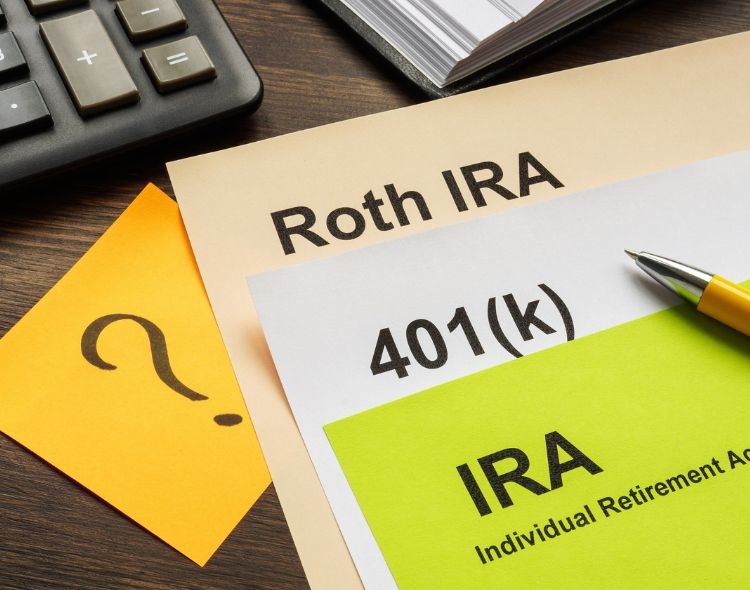
Simply, the Program mandates retirement savings (subject to certain conditions). It was initially created by the New York government in 2018 as a voluntary program to deposit payroll deductions into a Roth individual retirement account (“IRA”)—a type of individual retirement account that is funded with post-tax dollars. The Program in its current form became law in 2021 and began in March 2026.
Under the Program’s rules, employers who have been in business for at least two years, employed 10 or more employees in New York in the previous calendar year, and do not currently offer employees a qualified retirement plan are required to register for the Program and automatically enroll private-sector employees who are at least 18 years old. By default, participating employees will contribute 3% of wages into a Roth IRA. Within 30 days of enrollment, each employee must choose to stay automatically enrolled in the Program under the default provision, adjust the contribution rate and/or investment options as needed, or opt out of the Program.
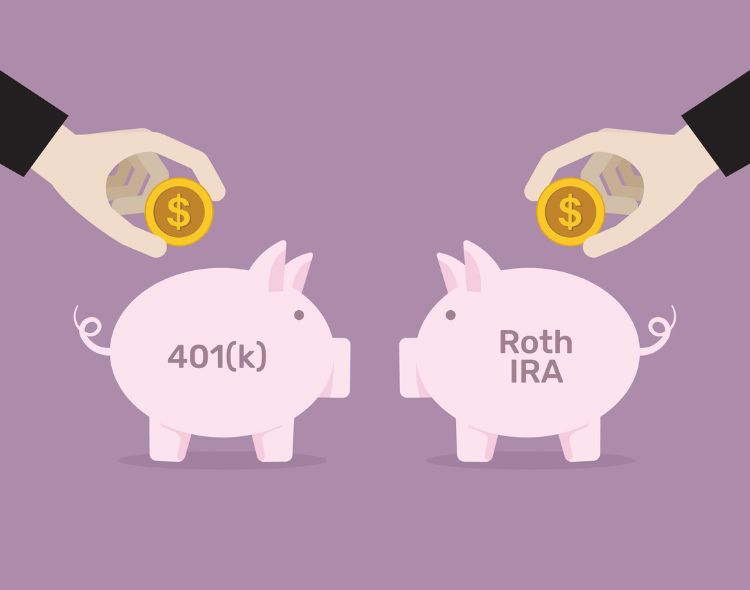
While at first glance it may look similar to a 401(k) plan, the Program has significant differences:
• The Program is mandatory for applicable employers; 401(k) plans are voluntary.
• The Program only allows employees to opt out; 401(k) plans allow employees to opt in.
• Under the Program, employer contributions are prohibited; in 401(k) plans, employer contributions may be allowed.
• Under the Program, employers do not pay any fees; in 401(k) plans, employers typically pay certain fees and costs.
• Under the Program, employers are not fiduciaries; in 401(k) plans, employers typically are fiduciaries.
• Under the Program, the State of New York is the plan sponsor; under 401(k) plans, typically the employer is the plan sponsor.
• Under the Program, contributions are only made to a Roth IRA; in 401(k) plans, contributions are usually non-Roth but may also be Roth.
• This is particularly significant for three reasons: first, Roth contributions are post-tax; second, the contribution limit for Roth IRAs ($7,500 in 2026) is much less than the contribution limit for 401(k) plans ($24,500 in 2026); third, Roth IRAs are also subject to income limits, which means employees have to determine if they can contribute to a Roth IRA. If they are not eligible but contribute anyway, they may be hit with a tax penalty.
Employers that offer a qualified retirement plan cannot participate in the Program and must certify their exemption by reporting their retirement plan offerings to the New York Secure Choice Savings Program Board.
Employers that do not offer a qualified retirement plan, and are therefore required to enroll in the Program, should consider whether to implement their own qualified retirement plan or register for the Program. If employers decide to register for the Program, employers with 30 or more em-ployees must have registered by March 18, 2026; employers with 15 to 29 employees must register by May 15, 2026; and employers with 10 to 14 employees must register by July 15, 2026. Employers who register for the Program need to furnish information to the Program administrator and need to coordinate with payroll. While not required, it is a best practice for employers to notify their employees about the Program.
Following the lead of the federal government and several states, New York recognizes the importance of saving for retirement. For employers, the Program is an attractive option; for employees, however, the Program lacks some of the benefits of a traditional 401(k) but it is a much better alternative to not saving. It remains to be seen whether the Program will increase participation in 401(k) plans or will replace 401(k) plans.
Marc Aspis, Special Counsel at Phillips Lytle LLP, is a member of the firm’s Corporate and Business Law Practice with extensive experience in employee benefits and executive compensation. He can be reached at maspis@phillipslytle.com or 212-508-0490.
Lavanya Sathyamurthy, attorney at Phillips Lytle LLP, is a member of the firm’s Corporate and Business Law Practice. She can be reached at lsathyamurthy@phillipslytle.com or 212-508-0494.

Receive firm communications, legal news and industry alerts delivered to your inbox.
Subscribe Now